Vinyl siding has become the go‑to exterior cladding for millions of homeowners because it delivers a blend of durability, low‑maintenance upkeep, and curb‑appeal without the hefty price tag of wood or fiber‑cement. If you’re weighing whether to replace aging panels, upgrade the look of a new build, or simply improve your home’s energy efficiency, the answer lies in the material’s proven performance and the modern design options now available. Below we break down everything you need to know—from installation basics to cost‑benefit analysis—so you can decide if vinyl siding is the right choice for your property today.Choosing Exterior Materials
What Exactly Is Vinyl Siding?
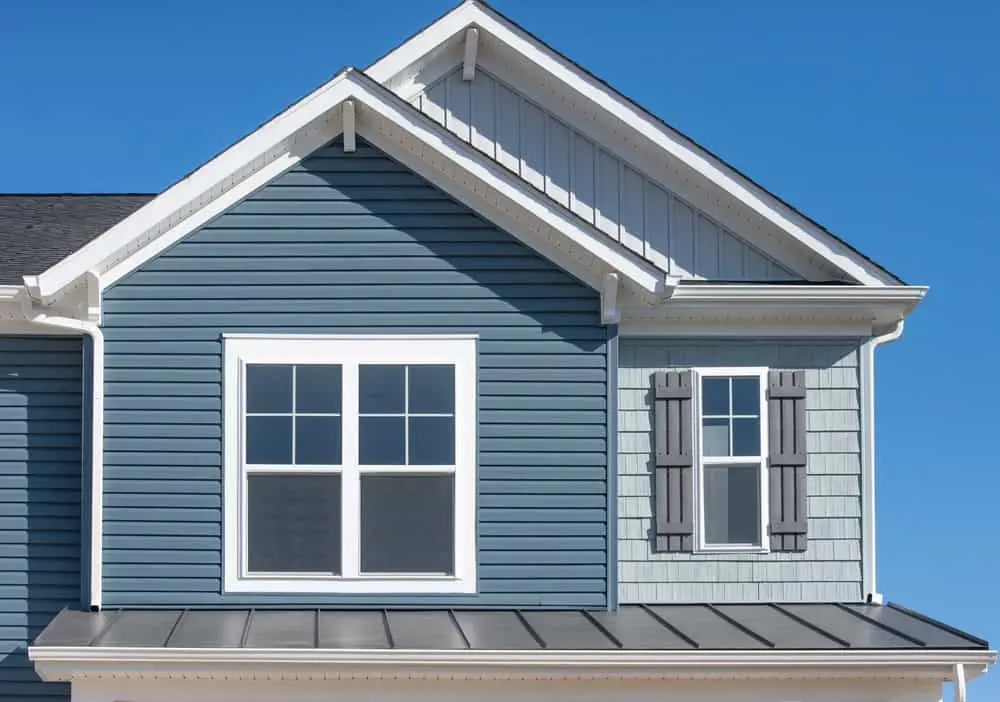
Vinyl siding is a synthetic polymer—primarily polyvinyl chloride (PVC)—extruded into flat, beveled panels that interlock to form a continuous skin around a house. Unlike traditional wood clapboard, the panels are pre‑molded with built‑in channels that aid water drainage, reducing the risk of moisture intrusion.
Since its commercial debut in the 1960s, vinyl siding technology has evolved dramatically. Modern formulations incorporate UV inhibitors, impact‑resistant additives, and insulated cores that boost home insulation while keeping the exterior sleek.
Table of Contents
- What Exactly Is Vinyl Siding?
- Why Homeowners Choose Vinyl Siding
- Cost Overview and Return on Investment
- Installation: Step‑by‑Step Guide
- 1. Prep the Wall Surface
- 2. Measure and Cut Panels
- 3. Attach the Starter Strip
- 4. Hang the Panels
- 5. Install Trim and J-Channel
- Maintenance Tips to Extend Lifespan
- Environmental Impact and Sustainability
- Common Mistakes Homeowners Make
- Skipping the Weather‑Resistant Barrier
- Improper Nail Placement
- Neglecting Expansion Gaps
- Real‑World Case Study: A Suburban Renovation
- FAQ – Quick Answers to Common Queries
- Can vinyl siding be painted?
- Is vinyl siding fire‑resistant?
- How does vinyl siding affect home resale value?
- Will vinyl siding improve my home’s energy efficiency?
- Future Trends: What’s Next for Vinyl Siding?
- Bottom Line
Why Homeowners Choose Vinyl Siding
Three core factors drive the popularity of vinyl siding in 2026:
- Weather‑resistant siding: Advanced co‑extrusion techniques give panels a tough outer layer that resists fading, cracking, and mold—even in harsh climates.
- Low‑maintenance exterior: Unlike wood, vinyl does not require painting or sealing; a simple hose down twice a year keeps it looking fresh.
- Energy efficiency: Insulated vinyl (often called “foam‑backed”) can add up to R‑2.5 to a wall assembly, according to the U.S. Department of Energy 2025 study on residential envelope upgrades.
Cost Overview and Return on Investment
According to the 2025 Home Builders Institute (HBI) market report, the average installed cost of standard vinyl siding in the United States is $5.00–$7.50 per square foot, while insulated versions range from $8.00 to $11.00 per square foot. For a typical 2,000‑sq‑ft home, total project costs fall between $10,000 and $22,000.
Despite the upfront expense, the ROI can be compelling. A 2026 analysis by National Association of Home Builders shows that homes with vinyl siding sell for an average of 3–5% more than comparable properties with wood or no siding, and the energy savings can amount to $300–$500 annually in moderate climates.
Installation: Step‑by‑Step Guide
While many homeowners hire professional contractors, a skilled DIYer can complete a vinyl siding project in 5–7 days for a 2,000‑sq‑ft house. Below is a concise walkthrough:
1. Prep the Wall Surface
Remove old siding, repair any damaged sheathing, and install a weather‑resistant barrier (WRB) such as Tyvek. Proper flashing around windows and doors is critical to prevent water infiltration.
2. Measure and Cut Panels
Use a chalk line to mark the horizontal starter strip level. Cut panels with a utility knife, allowing a 1/8‑inch expansion gap at the top to accommodate thermal movement.
3. Attach the Starter Strip
Secure the starter strip to the sheathing with corrosion‑resistant nails, ensuring it’s perfectly level. This strip anchors the first row of siding and hides the foundation line.
4. Hang the Panels
Slide each panel into the locking groove of the previous piece, then nail through the pre‑drilled nailing hem, leaving a 1/16‑inch clearance from the panel edge. Use a nail gun with a 1‑in. coil for consistency.
5. Install Trim and J-Channel
Fit J‑channel around windows, doors, and at roof lines. Trim pieces to fit, then secure with stainless steel nails. Finally, apply caulk at all seams for extra weatherproofing.
For a deeper dive into the installation nuances, see our Vinyl Siding Installation Tips tutorial.
Maintenance Tips to Extend Lifespan
Even the most robust siding needs occasional care. Follow these best practices to keep your home looking fresh for decades:
- Regular cleaning: Use a garden hose or a pressure washer set to ≤1500 psi. Add a mild detergent for stubborn stains.
- Inspect for damage: After severe storms, check for cracks or loose panels and replace them promptly to prevent water intrusion.
- Re‑caulk joints: Every 3–5 years, reapply silicone caulk to seams around windows and doors to maintain a watertight seal.
Environmental Impact and Sustainability
Vinyl siding often faces criticism for being a petroleum‑based product. However, the industry has made strides toward greener practices:
- Recycled content: As of 2025, 30% of new vinyl siding incorporates post‑consumer recycled PVC, according to the Vinyl Siding Manufacturers Association (VSMA).
- Energy‑saving benefits: Insulated vinyl reduces heating and cooling loads, contributing to lower household carbon footprints. The EPA’s 2026 Residential Energy Consumption Survey credits insulated siding with an average 5% reduction in HVAC energy use.
- End‑of‑life options: Some manufacturers now offer take‑back programs where old panels are shredded and re‑processed into new siding, closing the material loop.
Common Mistakes Homeowners Make
Even with clear instructions, pitfalls can compromise the performance of vinyl siding. Here are the most frequent errors and how to avoid them:
Skipping the Weather‑Resistant Barrier
Skipping WRB can lead to moisture trapping, mold, and rot. Always install a breathable barrier before the siding.
Improper Nail Placement
Nails driven too deep or too shallow can cause panel warping. The nail head should sit just below the panel surface, and the nail should be driven straight to avoid “popping” in extreme heat.
Neglecting Expansion Gaps
Vinyl expands up to 0.5% in hot weather. Forgetting to leave expansion gaps at the top and corners may result in buckling.
Real‑World Case Study: A Suburban Renovation
In a recent project documented by Houzz (2026), a 1,800‑sq‑ft ranch house in Ohio replaced its aging wood clapboard with insulated vinyl siding. The homeowner reported a 12% drop in heating bills during the winter months and noted that the home’s curb appeal increased dramatically, leading to a $15,000 higher resale estimate when the house sold two years later.
FAQ – Quick Answers to Common Queries
Can vinyl siding be painted?
Yes, but it defeats the low‑maintenance advantage. If you choose to paint, use a high‑quality acrylic exterior paint and re‑paint every 5–7 years.
Is vinyl siding fire‑resistant?
Most vinyl siding is classified as Class C fire‑rated, meaning it will melt and drip when exposed to high heat. For higher fire safety, consider “fire‑retardant” grades that meet ASTM E84 standards.
How does vinyl siding affect home resale value?
According to the 2025 Zillow Home Value Index, homes with vinyl siding see an average appraisal boost of 3.2% compared with those using traditional wood.
Will vinyl siding improve my home’s energy efficiency?
Insulated vinyl siding can add up to R‑2.5 to wall assemblies, reducing heating and cooling loads by roughly 5% in temperate climates.
Future Trends: What’s Next for Vinyl Siding?
Innovation continues to reshape the market. Emerging trends include:
- Smart siding: Embedded sensors that detect moisture intrusion and temperature fluctuations, sending alerts to homeowners via mobile apps.
- Hybrid panels: Combining vinyl with recycled wood fibers for a more natural texture while retaining durability.
- Custom prints: High‑resolution digital printing allows homeowners to mimic brick, stone, or even artistic murals without the weight or cost of traditional masonry.
These advances suggest that vinyl siding will remain a versatile, cost‑effective solution for both new construction and retrofits for years to come.
Bottom Line
Vinyl siding offers a compelling mix of affordability, durability, and energy efficiency that makes it an excellent choice for homeowners seeking a hassle‑free exterior upgrade. By understanding the installation process, budgeting for the right type—standard or insulated—and committing to basic maintenance, you can enjoy a beautiful, weather‑resistant home envelope that also supports sustainability goals.
Ready to start your siding project? Explore more detailed guides on exterior renovation planning and compare material options in our home exterior materials comparison article.