For anyone planning a remodel or new construction, choosing the right home siding is the first step toward a durable, energy‑efficient exterior that boosts curb appeal and protects the structure from weather extremes. Modern siding options combine low‑maintenance performance with design flexibility, and understanding the latest 2026 trends helps homeowners avoid costly mistakes and select the material that fits their climate, budget, and style goals. Vinyl siding’s 2026 guide illustrates how technology has reshaped pricing and installation, a pattern that repeats across most exterior cladding choices.
Why Home Siding Matters: Core Benefits and Modern Expectations
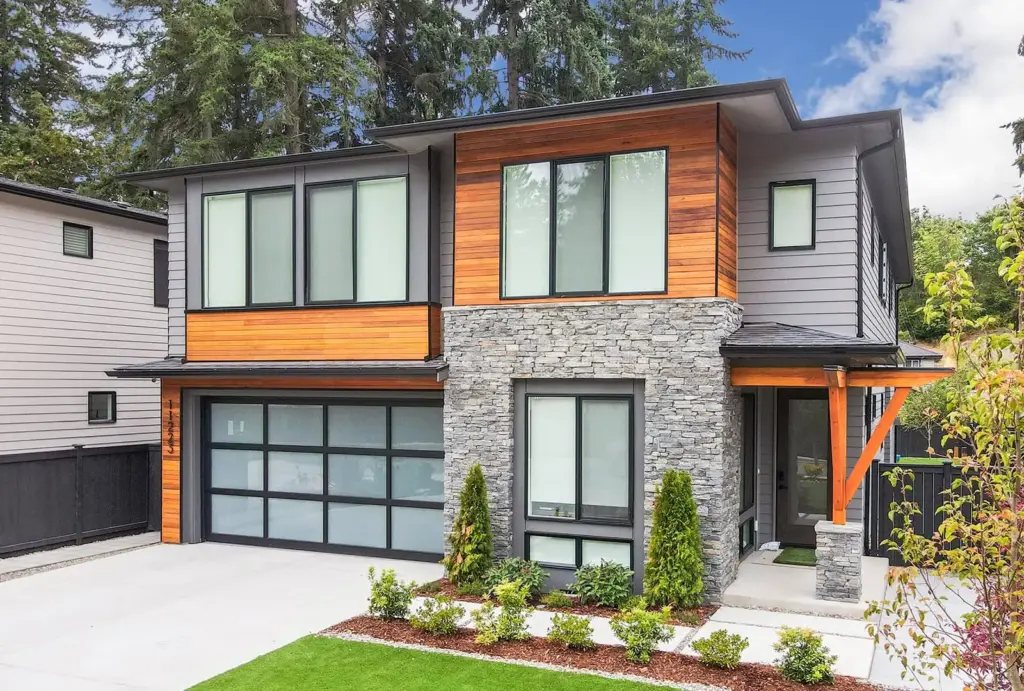
Home siding does more than cover the frame; it acts as the first line of defense against moisture, wind, and pests while contributing to thermal regulation. In 2026, the U.S. Energy Information Administration reported that homes with energy‑efficient siding reduced heating and cooling loads by up to 12 % compared with older, uninsulated claddings. This translates into lower utility bills and a smaller carbon footprint—key considerations for environmentally conscious buyers.
Beyond performance, siding influences resale value. A survey by the National Association of Home Builders (NAHB) showed that 68 % of homebuyers consider the exterior’s visual appeal a deciding factor, and an upgraded siding package can increase a property’s market price by 4‑6 %.
Table of Contents
- Why Home Siding Matters: Core Benefits and Modern Expectations
- Top Durable Siding Options in 2026
- 1. Vinyl Siding – The Budget‑Friendly Champion
- 2. Fiber‑Cement Siding – The Hybrid Powerhouse
- 3. Stone Veneer Siding – Luxury Meets Longevity
- 4. Engineered Wood Siding – Sustainable Sophistication
- Energy‑Efficient Siding: How Insulation and Material Choice Reduce Bills
- Step‑by‑Step Guide to a Successful Siding Installation
- Common Mistakes Homeowners Make (And How to Avoid Them)
- Maintenance Tips to Extend the Life of Your Siding
- Future Trends Shaping Home Siding in the Late 2020s
- FAQ: Quick Answers to Common Home Siding Questions
- What is the average lifespan of vinyl siding?
- Can I install stone veneer over existing siding?
- Is fiber‑cement siding fire‑rated?
- How much does insulated siding cost compared to standard siding?
- Do I need a professional for siding installation?
- Conclusion: Choose Wisely, Invest in Longevity
Top Durable Siding Options in 2026
1. Vinyl Siding – The Budget‑Friendly Champion
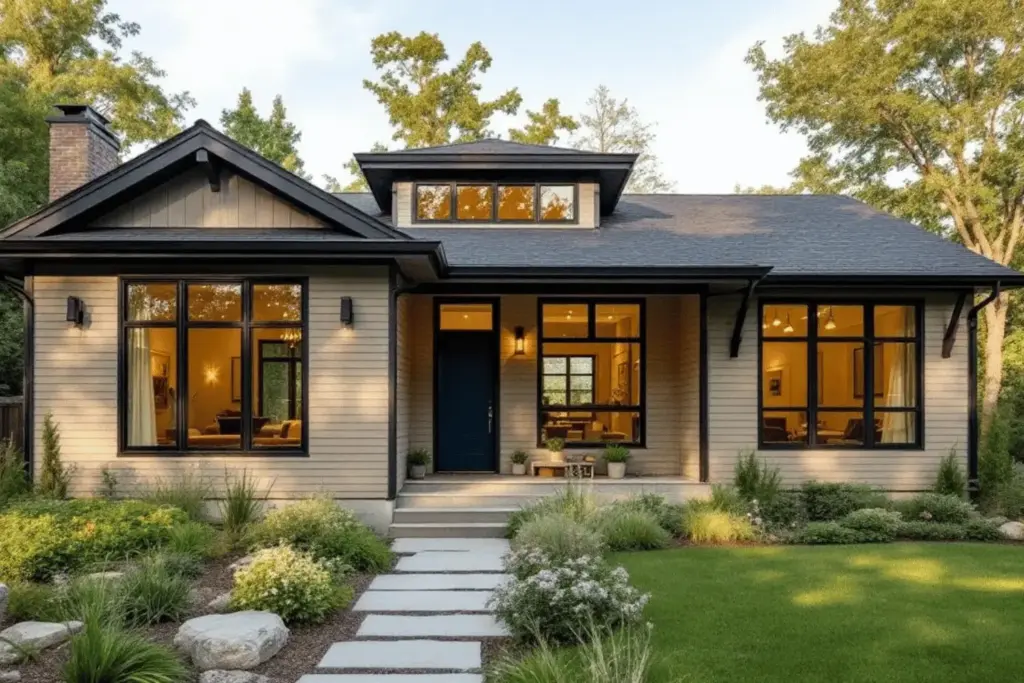
Vinyl remains the most popular choice due to its affordability and low maintenance. Recent advances, such as reinforced cores and UV‑stabilized pigments, have improved durability and color retention. According to the Vinyl Siding Institute’s 2025 market report, average installation costs range from $4,500 to $8,000 for a 2,000‑sq‑ft home, with a lifespan of 30‑40 years when properly maintained.
Key advantages:
- Resistance to rot, termites, and moisture.
- Wide palette of textures that mimic wood, stone, or brick.
- Compatibility with insulated sheathing for added energy efficiency.
2. Fiber‑Cement Siding – The Hybrid Powerhouse
Fiber‑cement combines cement, sand, and cellulose fibers, delivering a material that looks like wood but resists fire, insects, and warping. The 2026 Consumer Reports rating gave fiber‑cement a 9.2/10 for durability. Installation costs are higher—typically $9,000‑$14,000 for a mid‑size home—but the material’s 50‑year warranty often justifies the expense.
Popular brands such as James Hardie have introduced “HardiePlank” panels with pre‑painted finishes that reduce on‑site labor and ensure consistent color over time.
3. Stone Veneer Siding – Luxury Meets Longevity
Stone veneer offers the elegance of natural stone without the massive weight or cost. Modern manufacturing techniques allow thin, lightweight panels that can be applied over standard framing. As detailed in the stone veneer siding guide, installation requires a moisture‑drainage system but provides a lifespan exceeding 60 years when sealed correctly.
Benefits include:
- High resistance to fire and impact.
- Low thermal conductivity, aiding in temperature regulation.
- Distinctive aesthetic that adds premium curb appeal.
4. Engineered Wood Siding – Sustainable Sophistication
Engineered wood uses reclaimed wood fibers bonded with resins, delivering the natural look of timber while offering enhanced moisture resistance. The 2025 Green Building Council study highlighted that engineered wood reduces embodied carbon by 30 % compared with traditional lumber.
Installation tips:
- Apply a water‑repellent barrier to prevent capillary action.
- Seal joints annually with a high‑quality caulk.
Energy‑Efficient Siding: How Insulation and Material Choice Reduce Bills
In 2026, the Department of Energy (DOE) recommends R‑value‑enhanced siding systems for climates ranging from hot‑humid to cold‑dry zones. Adding rigid foam board or insulated vinyl panels can raise the overall wall R‑value by 5‑10, directly impacting heating and cooling loads.
Case Study: A Denver homeowner upgraded to insulated fiber‑cement siding with a 1‑inch XPS layer. The Energy Star calculator projected a 13 % reduction in annual energy usage, saving $560 in 2025 dollars.
Step‑by‑Step Guide to a Successful Siding Installation
- Assess the Existing Structure – Conduct a thorough inspection for rot, water damage, or pest infestation. Repair any underlying issues before proceeding.
- Choose the Right Material – Match the siding to climate, budget, and aesthetic goals. Consider durability, maintenance, and fire rating.
- Prepare the Wall Surface – Install a moisture‑resist barrier (e.g., Tyvek) and ensure proper flashing around windows and doors.
- Install Insulation (Optional) – Add rigid foam or spray foam to boost R‑value. Seal all seams with compatible tape.
- Apply the Siding – Follow manufacturer‑specific fastening patterns. For vinyl, use a “staggered” layout to reduce expansion gaps; for stone veneer, employ a ventilated rain screen.
- Finish with Trim and Caulking – Install corner posts, fascia, and window trim. Apply high‑performance silicone caulk to all joints for air sealing.
- Inspect and Clean – Perform a final walk‑through, checking for loose panels or water ingress. Power‑wash the exterior to remove debris.
Common Mistakes Homeowners Make (And How to Avoid Them)
- Skipping the Weather Barrier – A missing housewrap can lead to moisture trapped behind the siding, causing rot.
- Improper Expansion Gaps – Vinyl expands up to 1 % in summer; neglecting expansion joints results in warping or buckling.
- Choosing the Cheapest Material Without Considering Climate – In coastal areas, low‑grade fiber‑cement may absorb salt, reducing lifespan.
- Neglecting Maintenance – Even low‑maintenance siding benefits from an annual wash and periodic inspection of caulk.
Maintenance Tips to Extend the Life of Your Siding
Regardless of material, consistent upkeep preserves appearance and performance:
- Annual Power Wash – Use a low‑pressure nozzle and mild detergent to remove dirt and mold.
- Inspect Caulking – Replace cracked or missing sealant around windows, doors, and seams.
- Touch‑Up Paint – For painted fiber‑cement or engineered wood, apply a fresh coat every 5‑7 years to protect against UV fading.
- Trim Overhanging Branches – Prevent bark and sap from staining or damaging the siding.
Future Trends Shaping Home Siding in the Late 2020s
Industry analysts at the Home Innovation Research Labs predict three major shifts by 2029:
- Smart Siding Systems – Integrated sensors that monitor moisture levels and temperature differentials, sending alerts to homeowners via mobile apps.
- Recyclable and Bio‑Based Materials – Companies are testing composite panels made from agricultural waste, offering comparable strength with a carbon‑negative footprint.
- Customization Through 3‑D Printing – Advanced printers can fabricate decorative panels on demand, allowing homeowners to create unique patterns without costly molds.
These innovations promise to blend sustainability with aesthetics, making the next decade an exciting era for exterior remodeling.
FAQ: Quick Answers to Common Home Siding Questions
What is the average lifespan of vinyl siding?
When properly installed and maintained, vinyl siding typically lasts 30‑40 years. The material’s resistance to rot and insects contributes to its longevity.
Can I install stone veneer over existing siding?
Yes, but it requires a stable substrate and a proper drainage plane. Removing the old siding is often recommended to ensure a secure attachment and to avoid hidden moisture issues.
Is fiber‑cement siding fire‑rated?
Fiber‑cement is non‑combustible and often receives a Class A fire rating, making it a safe choice for wildfire‑prone regions.
How much does insulated siding cost compared to standard siding?
Insulated siding adds roughly $0.75‑$1.20 per square foot to material costs, but the energy savings typically offset the extra expense within 5‑7 years, according to the DOE’s 2025 cost‑benefit analysis.
Do I need a professional for siding installation?
While DIY installation is possible for experienced homeowners, professional installers ensure proper flashing, moisture barriers, and adherence to local building codes, reducing the risk of future failures.
Conclusion: Choose Wisely, Invest in Longevity
Home siding is a strategic investment that protects your property, enhances energy efficiency, and elevates visual appeal. By evaluating climate‑specific performance, budgeting for quality materials, and following a disciplined installation process, homeowners can enjoy a resilient exterior for decades. Stay informed about emerging technologies—such as smart sensors and bio‑based panels—to future‑proof your investment and keep your home looking its best.
Ready to explore options? Review the stone veneer siding guide for premium aesthetics or compare the vinyl siding 2026 guide for cost‑effective solutions. With the right knowledge, your next siding project will be a confident step toward a stronger, greener, and more beautiful home.