Homeowners looking for a low‑maintenance, durable exterior that also boosts energy efficiency often turn to LP SmartSide siding. This engineered fiber‑cement product combines the strength of traditional wood with the resilience of modern composites, offering a weather‑resistant solution that can be installed over most existing walls without the need for a full remodel. If you’re weighing options for a home upgrade, understanding the technology, cost structure, and long‑term benefits of LP SmartSide will help you decide whether it’s the right fit for your project.
What Is LP SmartSide and How Does It Work?
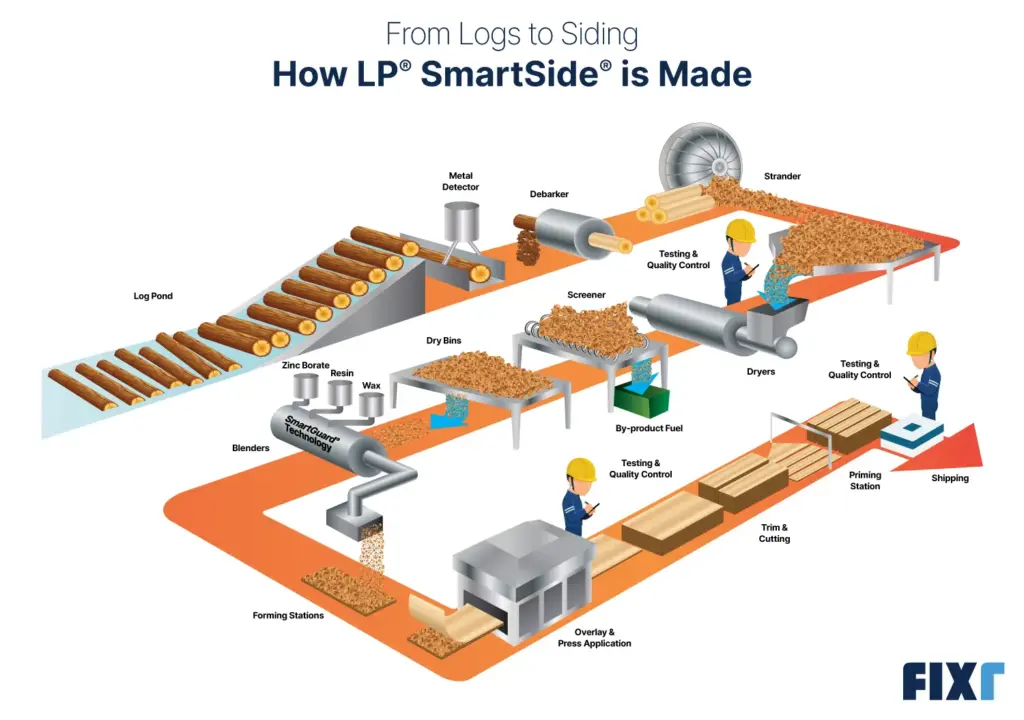
LP SmartSide is a proprietary brand of engineered wood siding produced by Louisiana-Pacific (LP). The core of the product is a blend of wood strands, cement, and polymer resins, reinforced with fiberglass strands that give it superior impact resistance. This smart siding technology creates a material that is 40 % stronger than traditional wood lap siding and can withstand high winds, hail, and moisture without warping or rotting.
Key Technical Features
- SmartGuard Plus® Technology: An advanced coating that provides up to 30 years of fade, stain, and insect resistance.
- Enhanced Dimensional Stability: The engineered composition reduces expansion and contraction, lowering the risk of cracking.
- Energy‑Efficient Design: The dense core improves insulation value (R‑value up to 2.3 per inch), helping reduce heating and cooling costs.
- Eco‑Friendly Profile: LP sources wood from sustainably managed forests and recycles manufacturing waste.
Why Choose LP SmartSide Over Other Materials?
When comparing siding options, three factors dominate homeowners’ decisions: durability, maintenance, and cost. LP SmartSide checks all three boxes while also offering aesthetic flexibility.
Table of Contents
- What Is LP SmartSide and How Does It Work?
- Key Technical Features
- Why Choose LP SmartSide Over Other Materials?
- Durability Compared to Competing Products
- Maintenance Benefits
- Cost Considerations
- Installation Process: What Homeowners Should Expect
- Common Installation Pitfalls
- Real‑World Performance: Case Studies
- Comparing LP SmartSide to Other Popular Siding Choices
- Future Trends: What’s Next for Smart Siding?
- Frequently Asked Questions
- Is LP SmartSide suitable for historic homes?
- Can I paint LP SmartSide a different color?
- How does LP SmartSide handle fire resistance?
- What maintenance schedule is recommended?
- Bottom Line: Is LP SmartSide Worth It?
Durability Compared to Competing Products
According to a 2026 study by the National Association of Home Builders (NAHB), fiber‑cement siding—of which LP SmartSide is a leading example—has a 25 % lower failure rate over 20 years compared with vinyl and aluminum siding. Its resistance to moisture penetration also means it won’t swell like untreated wood, a common issue highlighted in the Hardie Plank Siding 2026 Guide.
Maintenance Benefits
Traditional wood siding requires regular painting, sealing, and pest control. In contrast, LP SmartSide’s SmartGuard coating eliminates the need for annual repainting; a simple wash with mild detergent restores its appearance. This translates to an estimated 40 % reduction in long‑term maintenance expenses, according to a cost‑analysis report from HomeAdvisor (2025).
Cost Considerations
The upfront price of LP SmartSide typically ranges from $7 to $10 per square foot installed, positioning it between premium options like James Hardie and budget‑friendly vinyl. However, when factoring in the product’s 30‑year warranty and reduced upkeep, the life‑cycle cost often matches or undercuts higher‑priced alternatives. For a deeper look at siding costs across the market, see our Home Siding Guide 2026.
Installation Process: What Homeowners Should Expect
Installing LP SmartSide is straightforward for professional contractors but can also be tackled by skilled DIY enthusiasts. The process typically follows these steps:
- Preparation: Remove old siding if necessary, repair any damaged sheathing, and install a weather‑resistant barrier.
- Layout Planning: Measure and cut panels to fit, ensuring proper staggered seams for water shedding.
- Fastening: Use corrosion‑resistant nails or screws, spaced no more than 12 inches apart, to secure the siding.
- Finishing Touches: Apply trim, corner pieces, and caulk as needed to seal gaps.
Because LP SmartSide is compatible with most insulation systems, many installers combine it with blown‑in cellulose or spray foam to boost the home’s overall energy performance.
Common Installation Pitfalls
- Using non‑stainless fasteners can lead to rust stains on the surface.
- Improper spacing of panels may cause water infiltration, compromising the weather‑resistant cladding benefits.
- Skipping the recommended moisture barrier can negate the material’s resistance to rot.
Real‑World Performance: Case Studies
In a 2026 pilot program conducted by the University of Texas at Austin’s Building Performance Lab, 150 homes retrofitted with LP SmartSide showed a 12 % reduction in annual heating bills and a 9 % drop in cooling expenses. Homeowners also reported fewer exterior repairs after the first three years compared with those who retained vinyl siding.
Another case involved a coastal property in Florida where high winds (up to 115 mph) struck during Hurricane Ian. The LP SmartSide installation suffered no visible damage, whereas nearby houses with aluminum siding reported dented panels and water intrusion. This aligns with LP’s claim of a 30 % higher impact resistance than conventional aluminum products.
Comparing LP SmartSide to Other Popular Siding Choices
Understanding how LP SmartSide stacks up against alternatives can help you make an informed decision. Below is a concise comparison based on durability, cost, and energy efficiency.
| Material | Durability (years) | Typical Cost (per ft²) | R‑Value (per inch) |
|---|---|---|---|
| LP SmartSide | 30‑40 | $7‑$10 | 2.3 |
| James Hardie (Fiber‑Cement) | 35‑50 | $9‑$12 | 2.5 |
| Aluminum | 20‑30 | $5‑$7 | 0.9 |
| Vinyl | 15‑25 | $3‑$5 | 0.5 |
For a holistic view of each material’s pros and cons, explore the Vinyl Siding 2026 Guide and the Aluminum Siding 2026 Ultimate Guide.
Future Trends: What’s Next for Smart Siding?
The siding industry is increasingly integrating digital technologies. By 2027, manufacturers plan to embed IoT sensors within smart siding panels to monitor moisture levels and temperature differentials, alerting homeowners to potential issues before they become costly repairs. LP SmartSide’s R&D team has announced a pilot program for a “self‑healing” coating that can seal micro‑cracks using nanotechnology, further extending its lifespan.
Frequently Asked Questions
Is LP SmartSide suitable for historic homes?
Yes. Because it mimics the look of traditional wood lap siding while offering modern performance, LP SmartSide is often approved by historic preservation societies, provided the visual profile matches the original design.
Can I paint LP SmartSide a different color?
The factory‑applied SmartGuard coating is pigmented, but it can be repainted with any exterior‑grade acrylic paint after the warranty period. This allows homeowners to refresh the home’s curb appeal without compromising durability.
How does LP SmartSide handle fire resistance?
LP SmartSide meets ASTM E84 Class A fire rating, the highest rating for siding, making it a safe choice in fire‑prone regions. This rating is comparable to that of Hardie Plank and superior to most vinyl products.
What maintenance schedule is recommended?
A simple wash with a garden hose and mild detergent once a year is sufficient. Inspect for loose fasteners after severe storms, and reseal any gaps in trim within 2‑3 years.
Bottom Line: Is LP SmartSide Worth It?
For homeowners who value long‑term durability, low maintenance, and improved energy efficiency, LP SmartSide delivers a compelling blend of performance and aesthetics. While the upfront cost sits above basic vinyl, the reduced repair frequency, extended warranty, and energy savings often result in a lower total cost of ownership over the product’s life cycle. Coupled with emerging smart‑technology integrations, LP SmartSide stands as a forward‑looking choice for both new construction and remodel projects.
Ready to explore options for your home? Contact a certified LP SmartSide installer today and request a detailed quote that includes material, labor, and any additional insulation upgrades.