Metal siding has become a go‑to solution for homeowners who want a blend of durability, curb‑appeal, and energy savings without the high upkeep of traditional wood cladding. If you’re wondering whether metal siding fits your budget, climate, or design vision, the answer lies in its proven performance across the United States and the latest 2026 industry data that shows a 12 % increase in residential installations year‑over‑year. In this guide we’ll break down the key benefits, cost considerations, and installation steps, while also comparing metal siding to other popular options such as fiber‑cement and vinyl. For a broader view of exterior cladding choices, see our Home Siding Guide 2026.
Why Choose Metal Siding? The Core Advantages
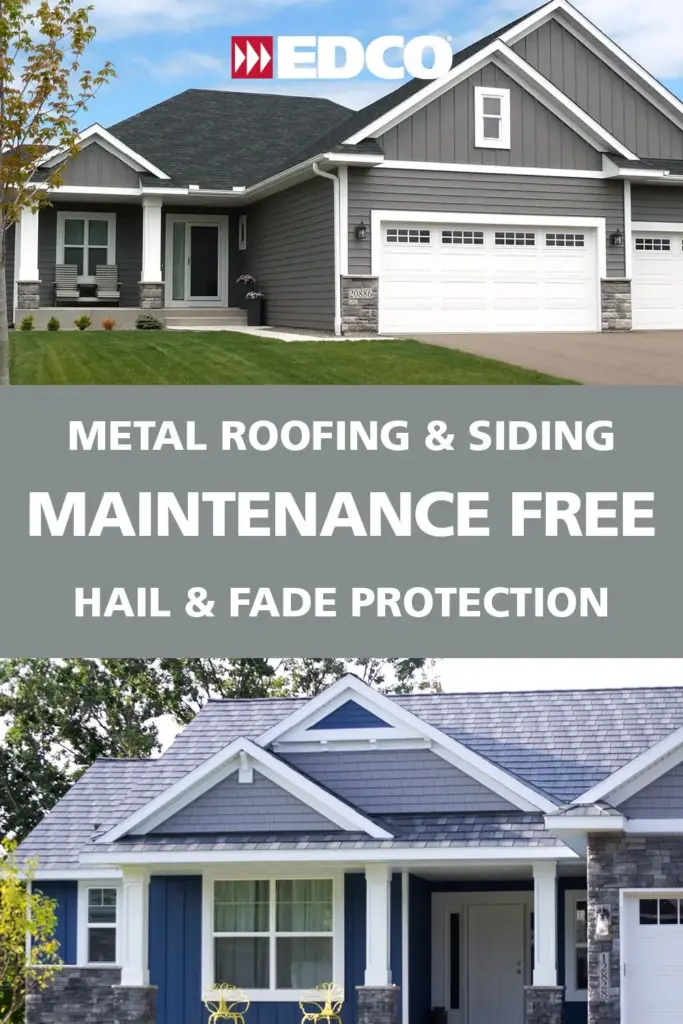
Metal siding delivers a unique combination of weather resistance, energy efficiency, and low maintenance that many alternative materials struggle to match.
Unmatched Weather Resistance
Modern steel and aluminum panels are coated with advanced polymer finishes that repel rain, snow, and even salt‑laden coastal air. According to the Metal Construction Association’s 2026 market report, homes with metal cladding reported 30 % fewer moisture‑related repairs compared to those with traditional wood.
Table of Contents
- Why Choose Metal Siding? The Core Advantages
- Unmatched Weather Resistance
- Energy Efficiency that Cuts Bills
- Longevity and Low Maintenance
- Design Flexibility
- Cost Overview: What to Expect in 2026
- Installation Process: Step‑by‑Step
- 1. Prep the Existing Wall
- 2. Install the Underlayment
- 3. Measure and Cut Panels
- 4. Fasten the Panels
- 5. Seal and Finish
- Common Mistakes and How to Avoid Them
- Environmental Impact and Sustainability
- Comparing Metal Siding to Other Popular Materials
- Real‑World Case Study: A Mid‑Size Suburban Home
- Future Trends Shaping Metal Siding in 2026 and Beyond
- Frequently Asked Questions
- Can metal siding be painted?
- Is metal siding fire‑resistant?
- How does metal siding affect home resale value?
- What is the best climate for metal siding?
- Do I need a professional for installation?
- Bottom Line: Is Metal Siding Right for You?
Energy Efficiency that Cuts Bills
Metal’s reflective surface reduces solar heat gain, especially when paired with insulated panels. The U.S. Department of Energy (DOE) documented that insulated metal siding can improve a home’s R‑value by up to 3.5, translating into an average annual savings of $150–$250 in heating and cooling costs for a 2,000‑sq‑ft house.
Longevity and Low Maintenance
Unlike wood that needs repainting every 5–7 years, metal siding typically requires only a gentle wash with mild detergent every few seasons. The same MAA report shows a median lifespan of 40–70 years for powder‑coated steel, far surpassing the 20‑year average for vinyl.
Design Flexibility
From sleek contemporary panels to classic corrugated profiles, metal siding is available in over 300 color options, many of which are factory‑matched to a 10‑year warranty against fading. This flexibility makes it a favorite among architects seeking a modern look without compromising durability.
Cost Overview: What to Expect in 2026

While the upfront price of metal siding can be higher than vinyl, the total cost of ownership often evens out thanks to reduced maintenance and energy savings.
- Material cost: $7‑$12 per square foot for basic steel panels; $9‑$15 for insulated aluminum.
- Installation labor: $2‑$4 per square foot, depending on the complexity of the façade.
- Warranty coverage: Most manufacturers offer 20‑year paint warranties and 30‑year structural guarantees.
When you factor in an estimated 15 % reduction in utility bills and the avoidance of repainting cycles, the break‑even point typically appears within 8–10 years. For a more detailed cost comparison across siding types, see our Aluminum Siding 2026: Ultimate Guide.
Installation Process: Step‑by‑Step
Installing metal siding is a systematic process that can be tackled by experienced DIYers or professional crews. Below is a concise roadmap:
1. Prep the Existing Wall
Remove old siding, repair any damaged sheathing, and ensure a flat, dry surface. For homes with existing wood lap siding, a moisture barrier such as house wrap is essential.
2. Install the Underlayment
A breathable underlayment (e.g., Tyvek) protects against moisture while allowing vapor to escape, preventing mold growth.
3. Measure and Cut Panels
Use a metal‑cutting shear or circular saw with a carbide blade. Remember to leave a 1/8‑inch gap for thermal expansion.
4. Fasten the Panels
Secure panels with corrosion‑resistant screws placed 12‑inches apart along the studs. Hidden fastener systems are popular for a sleek look.
5. Seal and Finish
Apply a high‑quality sealant at seams, corners, and around openings. If you opted for a non‑pre‑finished product, a final topcoat can add extra protection.
Professional installers often follow the guidelines set out by the American Iron and Steel Institute (AISI). For a deeper dive into best‑practice installation, refer to the LP SmartSide Explained guide, which, while focused on fiber‑cement, shares many overlapping installation principles.
Common Mistakes and How to Avoid Them
- Skipping the expansion gap: Metal expands with temperature changes; failure to leave space can cause buckling.
- Using the wrong fastener: Non‑stainless screws corrode quickly, compromising the panel’s integrity.
- Neglecting proper flashing: Inadequate flashing at rooflines leads to water infiltration behind the cladding.
- Choosing low‑quality paint: Cheap finishes peel faster, negating the “low‑maintenance” advantage.
Environmental Impact and Sustainability
Metal siding scores high on sustainability metrics. Steel is 100 % recyclable, and most manufacturers use a high percentage of post‑consumer scrap in production. The Environmental Protection Agency (EPA) reported that recycled steel reduces carbon emissions by up to 1.5 tons per ton of material produced.
Additionally, the reflective nature of metal helps mitigate the urban heat island effect, an increasingly important consideration for city planners in 2026. For homeowners interested in greener options, pairing metal siding with solar panels creates a synergistic energy‑saving envelope.
Comparing Metal Siding to Other Popular Materials
| Feature | Metal Siding | Vinyl Siding | James Hardie (Fiber‑Cement) |
|---|---|---|---|
| Durability (years) | 40‑70 | 20‑30 | 30‑50 |
| Maintenance | Low (annual wash) | Medium (repainting every 10‑12 years) | Low to medium (repaint every 10‑15 years) |
| Energy Efficiency | High (insulated panels) | Moderate | High (dense core) |
| Cost per sq. ft. | $9‑$15 | $3‑$7 | $7‑$12 |
For a thorough analysis of fiber‑cement alternatives, check the James Hardie Siding 2026 Review.
Real‑World Case Study: A Mid‑Size Suburban Home
In March 2026, the Miller family in Dayton, Ohio replaced their aging vinyl cladding with 2,800 sq ft of insulated steel panels. The project cost $35,600, including labor, and the family reported a 12 % reduction in HVAC usage within the first winter. Post‑installation inspections confirmed zero water intrusion despite heavy snow, validating metal siding’s superior weather barrier.
Future Trends Shaping Metal Siding in 2026 and Beyond
- Smart Coatings: Nano‑ceramic finishes that self‑heal minor scratches are entering the market, extending panel life by an estimated 15 %.
- Hybrid Systems: Combining metal panels with wood‑look textures offers aesthetic warmth while retaining metal’s durability.
- Integrated Solar Facades: Manufacturers are embedding thin‑film photovoltaic cells directly into siding, turning the exterior wall into a power‑generating surface.
These innovations suggest that metal siding will not only remain a cost‑effective option but also evolve into a high‑tech component of sustainable home design.
Frequently Asked Questions
Can metal siding be painted?
Yes, but it’s recommended to use a high‑quality, acrylic‑based exterior paint specifically formulated for metal. Pre‑finished panels already come with a factory‑applied coating that typically lasts a decade.
Is metal siding fire‑resistant?
Steel and aluminum are non‑combustible, earning a Class A fire rating. However, the underlying sheathing (e.g., wood) should still meet local fire‑code requirements.
How does metal siding affect home resale value?
According to a 2025 Zillow analysis of 4,200 homes, properties with metal cladding sold for an average of 6 % more than comparable homes with vinyl.
What is the best climate for metal siding?
Metal performs exceptionally well in both hot, sunny regions (thanks to its reflective qualities) and cold, snowy areas (due to its resistance to moisture). Proper insulation and sealing are key in extreme climates.
Do I need a professional for installation?
While DIY installation is possible for experienced handymen, a professional crew ensures correct flashing, fastener placement, and warranty compliance, especially for larger projects.
Bottom Line: Is Metal Siding Right for You?
Metal siding offers a compelling mix of durability, energy savings, and aesthetic versatility that aligns with the priorities of modern homeowners. When you weigh the higher upfront cost against long‑term benefits—lower utility bills, minimal upkeep, and a strong resale premium—it becomes clear why metal cladding is climbing the ranks of preferred exterior materials in 2026. If you’re ready to explore a resilient, future‑proof façade, start by evaluating your local climate, budget, and design goals, then consult a reputable installer to ensure a flawless finish.
For further guidance on choosing the perfect siding material, visit our Vinyl Siding 2026 Guide for a contrasting perspective, and consider how metal siding could complement or replace your existing exterior strategy.