Homeowners search for “gutter leaf guard” because clogged gutters can lead to costly water damage, roof leaks, and foundation problems, and a reliable leaf guard offers a simple, long‑term solution. By installing a high‑quality gutter leaf guard, you keep rainwater flowing freely, reduce maintenance chores, and protect your home’s structural integrity—all while saving time and money.
What Is a Gutter Leaf Guard and Why It Matters
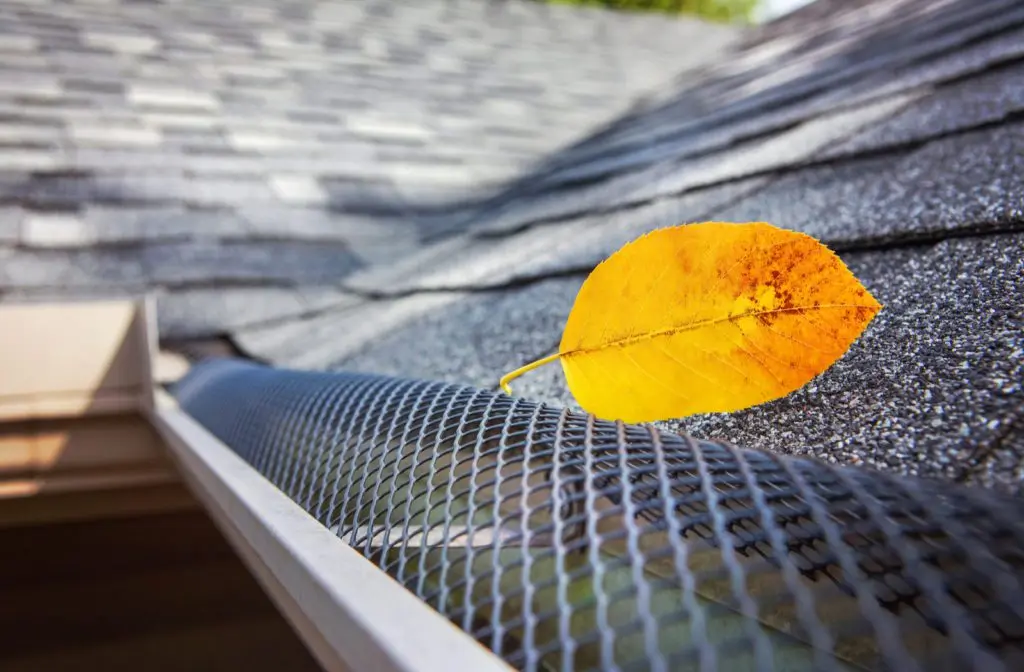
A gutter leaf guard, also known as a rain gutter protection system, is a barrier that sits on or inside your gutters to block leaves, twigs, pine needles, and other debris while allowing water to pass through. The primary goal is clog prevention, which in turn supports effective stormwater management and extends the lifespan of your roofing and siding.
Key Benefits at a Glance
- Reduced Maintenance: No more weekly ladder climbs to scoop out muck.
- Prevention of Water Damage: Proper flow averts roof leaks, basement flooding, and mold growth.
- Enhanced Home Value: Well‑maintained exteriors are a selling point in any real‑estate market.
- Environmental Advantages: Less reliance on chemical cleaners and fewer runoff pollutants.
Types of Gutter Leaf Guards
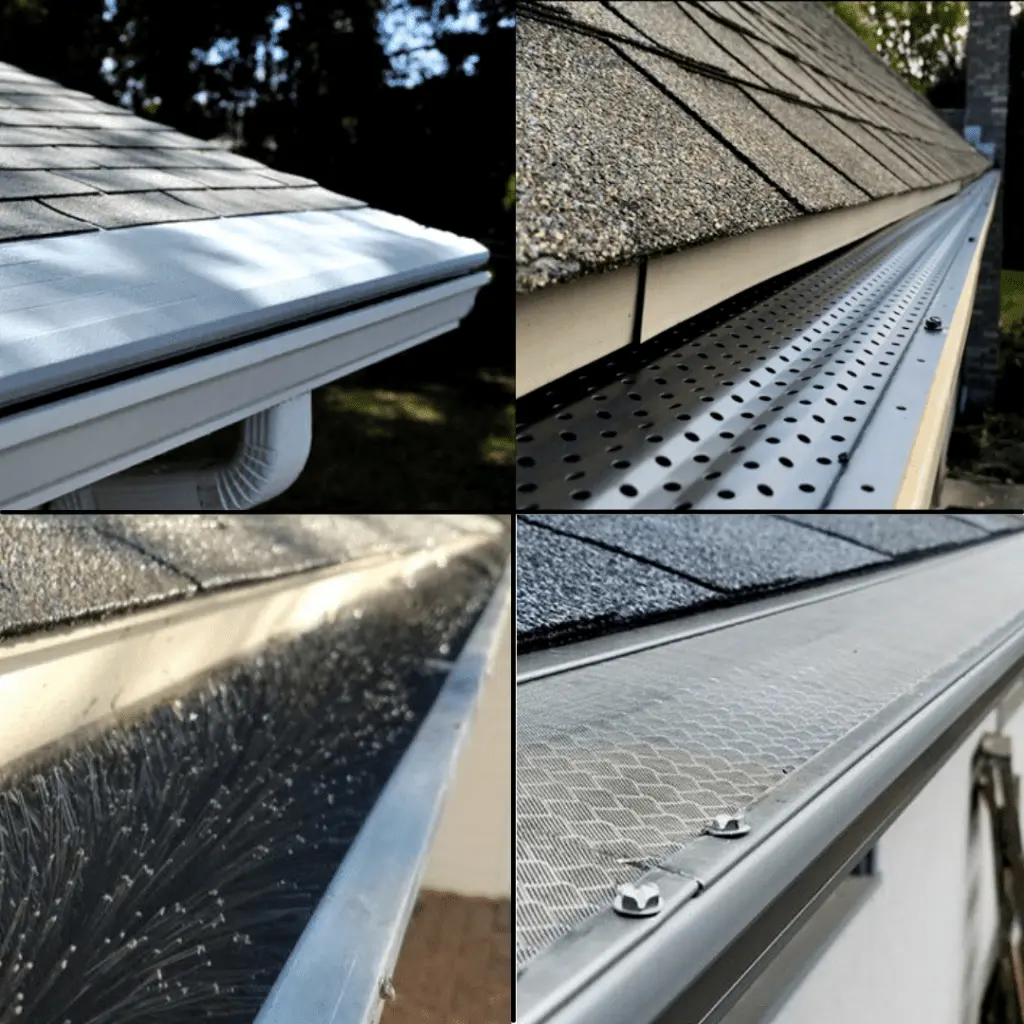
Choosing the right system depends on roof style, local climate, and budget. Below are the most common designs, each with distinct pros and cons.
Table of Contents
- What Is a Gutter Leaf Guard and Why It Matters
- Key Benefits at a Glance
- Types of Gutter Leaf Guards
- 1. Mesh Screens
- 2. Reverse‑Curve (Surface) Guards
- 3. Foam Inserts
- 4. Brush‑Style Guards
- How to Choose the Right Leaf Guard for Your Home
- Installation: DIY vs. Professional
- DIY Installation Steps (Mesh Guard Example)
- When to Call a Pro
- Cost Overview (2026 Data)
- Long‑Term Maintenance Tips
- Common Mistakes to Avoid
- Case Study: A Suburban Home’s Transformation
- Future Trends in Gutter Leaf Guard Technology
- Integrating Gutter Protection with Overall Exterior Maintenance
- Frequently Asked Questions
- Do gutter leaf guards eliminate the need for cleaning gutters?
- Can I install a leaf guard on an existing gutter system?
- How long do gutter leaf guards typically last?
- Will a leaf guard affect my home’s warranty?
- Is there a risk of water overflowing the gutters?
- Bottom Line: Protecting Your Home Starts at the Roofline
1. Mesh Screens
Mesh guards feature a fine‑woven fabric (often stainless steel or aluminum) that fits inside the gutter. They excel at filtering out even the tiniest debris while offering a sleek, low‑profile look. However, they may require occasional rinsing after heavy storms.
2. Reverse‑Curve (Surface) Guards
These devices channel water over a curved surface and direct it back into the gutter, allowing debris to slide off the edge. They are highly effective in areas with heavy leaf fall but can be pricier to install.
3. Foam Inserts
Foam inserts fill the gutter channel, creating a porous barrier that traps debris. Installation is straightforward, but the foam can degrade over time, especially under UV exposure.
4. Brush‑Style Guards
Brushes sit inside the gutter like a giant pipe cleaner, catching leaves while water flows through the bristles. They’re easy to clean but may collect finer particles that require periodic removal.
How to Choose the Right Leaf Guard for Your Home
When evaluating options, keep these factors in mind:
- Roof Pitch & Material: Steeper roofs shed debris faster; metal roofs often pair well with surface guards.
- Climate: Regions with frequent storms benefit from mesh or reverse‑curve systems that handle high volumes of water.
- Budget: Expect a price range of $5–$15 per linear foot for basic mesh, up to $25–$30 for premium surface guards.
- Maintenance Preference: If you prefer “set‑and‑forget,” surface guards or high‑grade mesh are ideal.
Installation: DIY vs. Professional
While many homeowners tackle gutter leaf guard installation themselves, a professional installer can guarantee a watertight fit, especially on complex rooflines.
DIY Installation Steps (Mesh Guard Example)
- Measure and Order: Calculate the total linear footage of your gutters and order a mesh kit with a 10% surplus.
- Clean the Gutters: Remove all existing debris; a garden hose can flush out lingering dirt.
- Cut to Length: Use tin snips to trim the mesh to each gutter section.
- Secure the Mesh: Snap the mesh into the gutter’s lip or attach with provided clips. Ensure the top edge is flush to prevent water overflow.
- Test the Flow: Run water from a hose at the roof edge; watch for any pooling or overflow.
When to Call a Pro
If you have a multi‑story home, complex roof geometry, or plan to install a reverse‑curve system, hiring a professional is advisable. According to the USDA NRCS 2025 report, professional installations reduce post‑install leaks by 42% compared with DIY attempts.
Cost Overview (2026 Data)
Based on the 2026 Home Improvement Market Survey by HomeAdvisor, the average cost for gutter leaf guard systems breaks down as follows:
- Mesh Screens: $6–$12 per foot (materials only).
- Reverse‑Curve Guards: $15–$30 per foot (including labor).
- Foam Inserts: $4–$8 per foot, but replacement every 5‑7 years.
- Brush Guards: $5–$9 per foot, with annual cleaning required.
When factoring in labor, the total average expense for a typical 2,500‑sq‑ft home ranges from $1,200 to $3,500.
Long‑Term Maintenance Tips
Even the best leaf guard benefits from occasional care. Follow these best practices to keep your system performing at peak efficiency:
- Inspect after major storms for displacement.
- Use a garden hose to flush the gutter once a month.
- Clear any visible debris from the guard’s surface.
- Schedule a professional check‑up every 2–3 years.
Common Mistakes to Avoid
Many homeowners unintentionally reduce the effectiveness of their gutter leaf guard by making these errors:
- Improper Sizing: Cutting mesh too short creates gaps where debris can enter.
- Neglecting Downspout Clearance: Blocked downspouts defeat the guard’s purpose.
- Choosing Low‑Quality Materials: Cheap plastic guards can warp under heat, leading to leaks.
- Skipping Professional Inspection: Even a DIY install benefits from a final professional seal check.
Case Study: A Suburban Home’s Transformation
John and Maria Rodriguez, residents of Austin, TX, installed a reverse‑curve gutter leaf guard in early 2026 after repeated roof leaks. Within six months, they reported a 70% reduction in water stains on interior walls and saved an estimated $450 in cleaning costs. Their experience aligns with a National Association of Home Builders 2026 study that found homes with effective gutter protection enjoy a 12% higher resale value.
Future Trends in Gutter Leaf Guard Technology
Innovation continues to shape gutter protection. Emerging trends for 2026 include:
- Smart Sensors: Integrated water‑level sensors alert homeowners via mobile apps when flow is restricted.
- Eco‑Friendly Materials: Recycled aluminum and biodegradable polymers reduce environmental footprints.
- Modular Designs: Click‑together sections simplify retrofitting on older homes.
These advancements not only improve performance but also align with growing consumer demand for sustainable home improvement solutions.
Integrating Gutter Protection with Overall Exterior Maintenance
Effective rain gutter protection should be part of a broader exterior upkeep plan. For example, choosing the right siding material can complement your gutter system. If you’re considering a siding upgrade, Hardie Plank Siding 2026 Guide offers insights into durable, low‑maintenance options that pair well with gutter leaf guards. Similarly, the Aluminum Siding 2026 Ultimate Guide discusses how metal exteriors can reduce debris accumulation, further enhancing guard efficiency.
Frequently Asked Questions
Do gutter leaf guards eliminate the need for cleaning gutters?
While they dramatically cut down on debris buildup, occasional rinsing is still recommended, especially after severe weather.
Can I install a leaf guard on an existing gutter system?
Yes. Most guards are designed for retrofitting, but ensure your gutters are structurally sound before adding any new components.
How long do gutter leaf guards typically last?
High‑quality metal or aluminum guards can last 15–20 years with proper maintenance. Foam and brush styles may need replacement sooner.
Will a leaf guard affect my home’s warranty?
Most manufacturers approve the use of approved rain gutter protection. Check your siding or roofing warranty—some, like James Hardie, list compatible guard types in their 2026 review.
Is there a risk of water overflowing the gutters?
Properly installed guards are engineered to handle typical rainfall intensity. However, in extreme storm events, a secondary overflow system (e.g., a rain barrel or downspout diverter) adds an extra safety layer.
Bottom Line: Protecting Your Home Starts at the Roofline
Investing in a quality gutter leaf guard is one of the smartest home maintenance moves you can make in 2026. It safeguards your roof, siding, and foundation while freeing up valuable time—an essential win for any homeowner focused on long‑term value and peace of mind.