Homeowners searching for “James Hardie siding” are usually trying to decide if this fiber‑cement cladding is the right investment for durability, curb appeal, and long‑term savings. The answer lies in understanding how Hardie’s engineered panels perform under today’s climate challenges, what the installation costs look like in 2026, and how they compare with alternative exterior finishes.
Why James Hardie Siding Stands Out in 2026
James Hardie Industries remains the global leader in fiber cement siding, a material that blends cement, sand, and cellulose fibers to create a product that resists rot, pests, and fire. According to a 2026 report from the National Association of Home Builders (NAHB), fiber‑cement cladding accounted for 18% of new residential exterior projects—up from 12% in 2022—driven largely by its proven weather resistance and low maintenance profile.
Key advantages include:
Table of Contents
- Why James Hardie Siding Stands Out in 2026
- Cost Breakdown: What to Expect in 2026
- Material Costs
- Installation Labor
- Finishing and Paint
- Installation Process: A Step‑by‑Step Guide
- Comparing James Hardie to Other Exterior Options
- Aluminum Siding
- Vinyl Siding
- Stone Veneer
- Real‑World Case Study: A Mid‑Century Modern Home in Austin, TX
- Common Mistakes to Avoid
- Future Trends: What’s Next for James Hardie Siding?
- FAQ – Quick Answers to Common Queries
- Is James Hardie siding truly fire‑proof?
- How long does the warranty last?
- Can I install Hardie siding over existing wood clapboard?
- What maintenance is required?
- Bottom Line: Is James Hardie Siding Worth It?
- Longevity: Certified to last 50+ years with proper painting.
- Fire rating: Non‑combustible (Class A fire rating) which can lower homeowner insurance premiums.
- Eco‑friendliness: Made from 30% recycled material and fully recyclable at end‑of‑life.
- Design flexibility: Available in smooth, bevel, and lap profiles that mimic wood, stucco, or masonry.
Cost Breakdown: What to Expect in 2026
When budgeting for James Hardie siding, consider three primary cost components: material, labor, and finishing.
Material Costs
Hardie’s flagship product, HardiePlank, typically runs between $4.75 and $6.20 per square foot in 2026, according to pricing data from the Building Materials Market Survey 2026. Prices can fluctuate based on profile style and regional demand.
Installation Labor
Professional installation averages $2.50‑$3.50 per square foot, reflecting the need for precise cutting, moisture barrier installation, and proper flashing. DIY projects can reduce labor costs but may void warranty coverage if not performed to Hardie’s standards.
Finishing and Paint
Hardie recommends a two‑coat acrylic paint system. Premium exterior paint adds $0.90‑$1.20 per square foot, while a standard quality paint costs around $0.55 per square foot. Painting every 10‑15 years maintains the siding’s aesthetic and protects against UV degradation.
Installation Process: A Step‑by‑Step Guide
Professional installers follow a systematic approach to ensure optimal performance. Below is a concise walkthrough for homeowners considering a contractor.
- Inspection & Planning: Assess the existing wall for flatness, moisture, and structural integrity. This stage often reveals whether additional sheathing or insulation is needed.
- Weather‑Resistant Barrier (WRB): Apply a WRB such as Tyvek or a housewrap to protect against water infiltration. In humid regions, a drainage plane is critical.
- Fastening: Use corrosion‑resistant nails or screws placed at 12‑inch intervals on vertical studs, as recommended by Hardie’s installation manual.
- Cutting & Fitting: Employ a carbide‑tipped scoring blade or a circular saw with a diamond‑coated blade to achieve clean cuts without splintering.
- Finishing Details: Install trim, corner posts, and J‑channels to create a seamless look and protect vulnerable edges.
- Painting: Apply a primer compatible with cement board, followed by two coats of high‑quality acrylic paint.
Comparing James Hardie to Other Exterior Options
Understanding how Hardie siding stacks up against alternatives helps you make an informed decision.
Aluminum Siding
Aluminum offers excellent corrosion resistance but can dent easily and often has a thinner profile that may not provide the same insulation value. For a detailed cost and performance comparison, see our Aluminum Siding 2026 ultimate guide.
Vinyl Siding
Vinyl is generally cheaper upfront ($2‑$4 per square foot) but can warp in extreme heat and lacks the fire‑resistance rating of Hardie. Our Vinyl Siding 2026 guide outlines its lifecycle costs and aesthetic limitations.
Stone Veneer
Stone veneer delivers a premium look but at a substantially higher material cost (often $8‑$12 per square foot) and requires a reinforced substrate. Explore its installation nuances in our Stone Veneer Siding 2026 guide.
Real‑World Case Study: A Mid‑Century Modern Home in Austin, TX
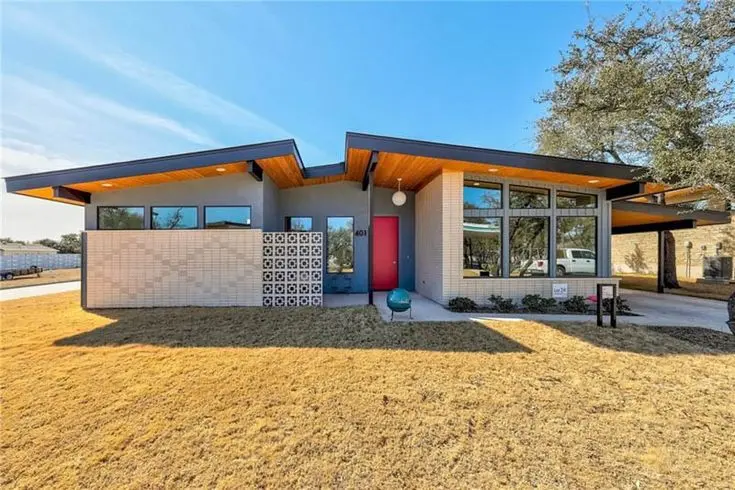
In early 2026, a 2,300‑sq‑ft mid‑century modern residence in Austin replaced its aging wood clapboard with James Hardie HardiePlank. The homeowner reported a 30% reduction in exterior maintenance time and a 12% decrease in annual energy bills, thanks to the added thermal mass of fiber cement. The project cost $18,200, aligning with the national average for a 1,200‑sq‑ft siding overhaul.
Common Mistakes to Avoid
- Skipping the WRB: Without a proper weather‑resistant barrier, moisture can infiltrate behind the siding, leading to mold and structural damage.
- Improper Fastening: Over‑driving nails can crush the siding, while under‑driving leaves gaps for water entry.
- Using Non‑Compatible Paint: Paints not formulated for cement board can peel prematurely.
- Neglecting Expansion Gaps: Hardie siding expands and contracts with temperature changes; failure to leave recommended gaps can cause buckling.
Future Trends: What’s Next for James Hardie Siding?
Industry forecasts from Statista project a 7% annual growth in fiber‑cement siding installations through 2030, fueled by stricter building codes emphasizing fire safety and sustainability. Anticipated innovations include:
- Pre‑finished panels: Factory‑applied paint that reduces on‑site labor.
- Smart integration: Embedded sensors that monitor moisture levels and structural health.
- Enhanced aesthetics: New textural finishes that replicate reclaimed wood and natural stone without the associated maintenance.
FAQ – Quick Answers to Common Queries
Is James Hardie siding truly fire‑proof?
Hardie products have a Class A fire rating, meaning they do not contribute to flame spread. However, no material is completely fire‑immune; proper installation and clearance from heat sources remain essential.
How long does the warranty last?
James Hardie offers a 30‑year limited warranty on the siding itself and a 10‑year warranty on the finish when installed by a certified contractor.
Can I install Hardie siding over existing wood clapboard?
Yes, provided the existing substrate is sound, flat, and a WRB is installed. Adding furring strips can improve ventilation and create a flat surface for the new panels.
What maintenance is required?
Beyond repainting every 10‑15 years, a simple annual inspection for loose fasteners or damaged trim is sufficient.
Bottom Line: Is James Hardie Siding Worth It?
When you weigh initial expense against longevity, fire safety, and low upkeep, James Hardie siding emerges as a compelling choice for homeowners who prioritize durability and aesthetic versatility. For a broader perspective on exterior options and budgeting, consult our Home Siding Guide 2026, which breaks down material performance across the market.
Whether you’re renovating a historic bungalow or constructing a new energy‑efficient house, James Hardie’s fiber‑cement system offers a resilient, stylish solution that stands the test of time.