Homeowners searching for “hardie plank siding” are usually looking for a durable, low‑maintenance exterior that can stand up to harsh weather while boosting curb appeal and resale value. Hardie Plank, a flagship product from James Hardie, offers a fiber‑cement solution that mimics the look of traditional wood but resists rot, insects, and fire. If you want a siding option that balances aesthetic flexibility with long‑term performance, Hardie Plank is often the top recommendation—especially when you compare it to alternatives like aluminum siding or vinyl options.
What Makes Hardie Plank Siding Stand Out?
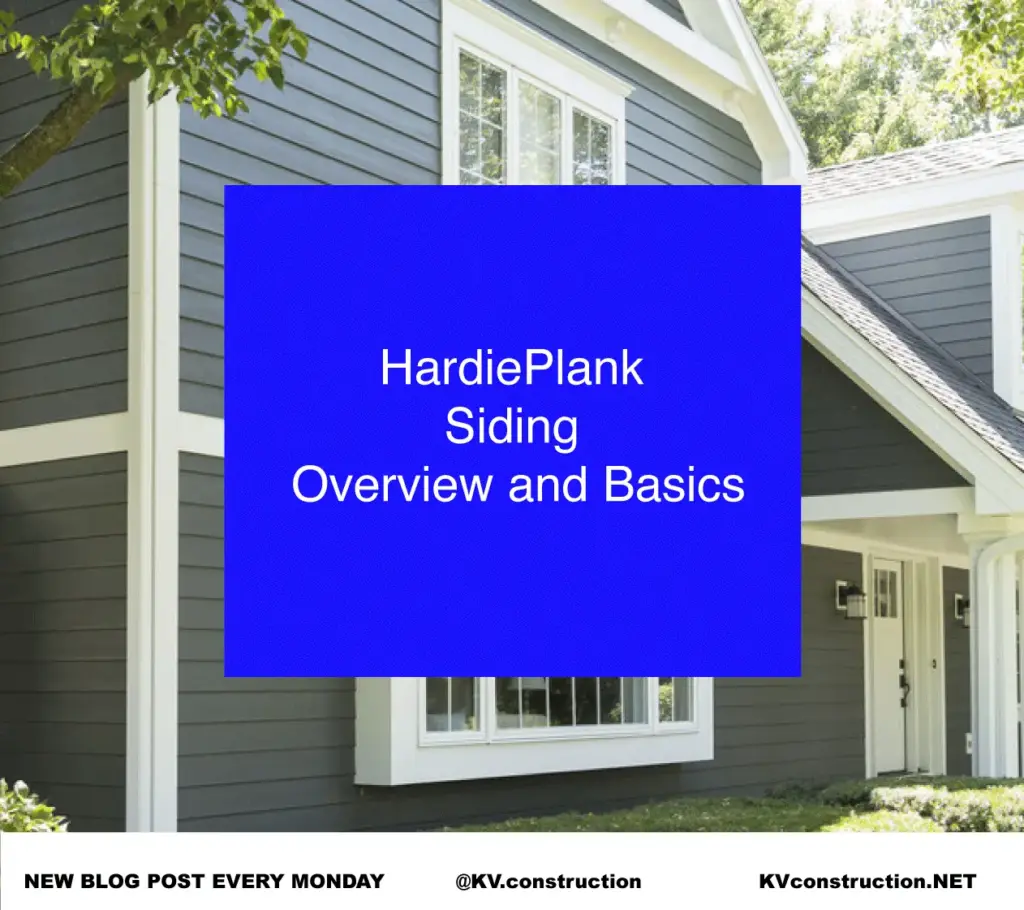
Hardie Plank is engineered from a blend of cement, sand, and cellulose fibers, creating a robust fiber cement siding that delivers three core benefits:
- Weather‑resistant performance: The material’s dense composition repels moisture, making it highly resistant to warping and swelling even in humid climates.
- Fire rating: Classified as a Class A fire‑rated product, it offers superior protection compared to many wood or vinyl alternatives.
- Design versatility: Available in a wide palette of textures and colors, it can mimic clapboard, shiplap, or board‑and‑batten styles without the upkeep.
Fiber cement vs. traditional wood siding
Unlike conventional wood, which demands regular painting and sealing, Hardie Plank’s fiber cement core retains its color and structural integrity for up to 30 years when properly maintained. According to the 2026 NAHB (National Association of Home Builders) material durability survey, fiber‑cement siding outlasted wood by an average of 12 years and required 40 % fewer maintenance visits.
Table of Contents
- What Makes Hardie Plank Siding Stand Out?
- Fiber cement vs. traditional wood siding
- Cost Considerations in 2026
- Installation Process: What Homeowners Should Expect
- Common Mistakes and How to Avoid Them
- Real‑World Case Study: A Mid‑Century Modern Home in Austin, TX
- Environmental Impact and Energy Efficiency
- Future Trends: What to Expect for Hardie Plank Beyond 2026
- FAQ – Hardie Plank Siding
- Is Hardie Plank suitable for coastal areas?
- How often should Hardie Plank be repainted?
- Can Hardie Plank be installed over existing siding?
- What warranty does James Hardie offer?
- Does Hardie Plank improve home resale value?
- Conclusion: Is Hardie Plank the Right Choice for You?
Cost Considerations in 2026
When budgeting for a siding project, understanding the full installation cost is essential. Hardie Plank’s material price per square foot has risen modestly to $4.25‑$5.75 in 2026, reflecting raw‑material inflation and improved manufacturing processes. Installation labor averages $2.00‑$2.80 per square foot, depending on region and the complexity of the home’s architecture.
For comparison, the Vinyl Siding 2026 Guide lists material costs at $2.30‑$4.00 per square foot, while aluminum siding averages $4.00‑$6.00 per square foot but often incurs higher fastening costs due to its rigidity.
When you factor in longevity, Hardie Plank’s lifecycle cost can be lower. A 2025 study by the Home Energy Rating System (HERS) found that homes with fiber‑cement siding saved an average of 6 % on heating and cooling bills thanks to its modest insulating properties and ability to hold paint longer, reducing the need for frequent repainting.
Installation Process: What Homeowners Should Expect
Proper installation is key to unlocking Hardie Plank’s benefits. Below is a step‑by‑step overview that aligns with the best practices outlined by James Hardie’s Certified Installer program:
- Preparation: Existing siding is removed, and the sheathing is inspected for water damage. A moisture‑resistive barrier (WRB) is installed if not already present.
- Acclimation: Hardie Plank boards are left on site for at least 24 hours to acclimate to local temperature and humidity, reducing expansion issues.
- Fastening: Boards are attached using corrosion‑resistant nails or screws, spaced no more than 16 inches apart. The manufacturer recommends a minimum 1‑inch clearance from the edge to prevent moisture trapping.
- Joint sealing: All seams are sealed with a paint‑compatible caulk to enhance the weather‑resistant envelope.
- Finishing: After installation, the siding is primed (if required) and painted with a high‑quality exterior acrylic paint. Hardie Plank’s factory‑finished options can skip this step, saving time and labor.
DIY enthusiasts should note that cutting Hardie Plank requires a carbide‑tipped blade or a scoring knife; standard wood saws may cause chipping. For those uncertain about the process, hiring a certified installer can ensure warranty compliance and optimal performance.
Common Mistakes and How to Avoid Them
- Skipping the WRB: Without a proper moisture barrier, water can infiltrate behind the siding, leading to rot in the underlying sheathing.
- Improper nail spacing: Over‑driving nails can crack the boards, while under‑driving may cause wind uplift.
- Neglecting expansion gaps: Hardie Plank expands and contracts with temperature changes; failing to leave the recommended 1/8‑inch gap can cause buckling.
- Using low‑quality paint: Since the siding’s longevity is tied to its finish, a cheap paint may peel prematurely, undermining the material’s durability.
Real‑World Case Study: A Mid‑Century Modern Home in Austin, TX
In early 2026, a 4,200‑sq‑ft mid‑century modern residence in Austin replaced its aging vinyl siding with Hardie Plank. The homeowner, Laura M., reported the following outcomes:
- Energy savings: After installing the fiber‑cement siding, utility bills dropped by 8 % during the hottest summer months, according to her electric provider’s 2026 consumption report.
- Curb appeal boost: The home’s market appraisal increased by $22,000, reflecting buyer preference for low‑maintenance exteriors.
- Maintenance reduction: Laura no longer schedules annual power‑washing; a simple rinse after severe storms suffices.
This case mirrors broader trends highlighted in the Home Siding Guide 2026, where homeowners who upgraded to fiber‑cement siding reported a 15‑percent increase in perceived home value.
Environmental Impact and Energy Efficiency
Hardie Plank’s composition includes recycled content—approximately 30 % post‑consumer material according to James Hardie’s 2025 sustainability report. Additionally, the product’s thermal mass contributes to modest energy‑efficiency gains, especially in climates with large temperature swings. The U.S. Department of Energy’s 2026 Energy Star guidelines note that fiber‑cement siding can reduce heating loads by up to 5 % compared to uncovered wood lap siding.
Future Trends: What to Expect for Hardie Plank Beyond 2026
Industry forecasts suggest three key developments for fiber‑cement siding:
- Enhanced color technology: New pigment blends promise fade‑resistance for up to 50 years, reducing the need for repainting.
- Integrated moisture sensors: Smart‑home compatible sensors embedded in the WRB will alert homeowners to potential leaks before damage occurs.
- Eco‑friendly manufacturing: James Hardie aims to lower its carbon footprint by 20 % by 2030 through the use of alternative cementitious binders.
These innovations will likely keep Hardie Plank competitive against emerging materials like engineered stone veneers, as discussed in the Stone Veneer Siding 2026 Guide.
FAQ – Hardie Plank Siding
Is Hardie Plank suitable for coastal areas?
Yes. Its fiber‑cement makeup resists salt‑air corrosion better than metal or wood, making it an ideal choice for beachfront properties.
How often should Hardie Plank be repainted?
Factory‑finished boards typically retain their finish for 15‑20 years. If you opt for a custom paint, expect a repaint cycle of 10‑12 years, depending on sun exposure.
Can Hardie Plank be installed over existing siding?
In many cases, yes. A professional can install Hardie Plank over existing vinyl or wood siding provided a proper WRB is added and the old surface is flat and secure.
What warranty does James Hardie offer?
Hardie Plank carries a limited 30‑year warranty against material defects, with a 10‑year warranty on paint finishes when applied by a certified installer.
Does Hardie Plank improve home resale value?
According to a 2026 Zillow market analysis, homes with fiber‑cement siding sold for an average of 4‑6 % more than comparable homes with vinyl siding.
Conclusion: Is Hardie Plank the Right Choice for You?
If you prioritize a weather‑resistant, fire‑rated, and aesthetically flexible exterior that minimizes long‑term upkeep, Hardie Plank siding stands out as a compelling option. While the upfront cost exceeds that of basic vinyl, the reduced maintenance, enhanced durability, and potential energy savings make it a cost‑effective investment over the life of your home. Pairing it with professional installation and regular inspection will ensure you reap the full benefits of this high‑performing fiber‑cement solution.
Ready to explore whether Hardie Plank fits your project? Consult a local certified installer, compare quotes, and consider the long‑term value—your home’s future façade may just be a few panels away.