Homeowners turn to aluminum siding when they need a durable, low‑maintenance exterior that can withstand harsh weather while keeping energy costs down, and the 2026 market offers more options than ever before. Whether you’re renovating a historic bungalow or building a new eco‑friendly residence, aluminum’s lightweight strength and recyclable nature make it a smart choice for today’s energy‑efficient home.
Why Aluminum Siding Still Leads the Exterior Cladding Market in 2026
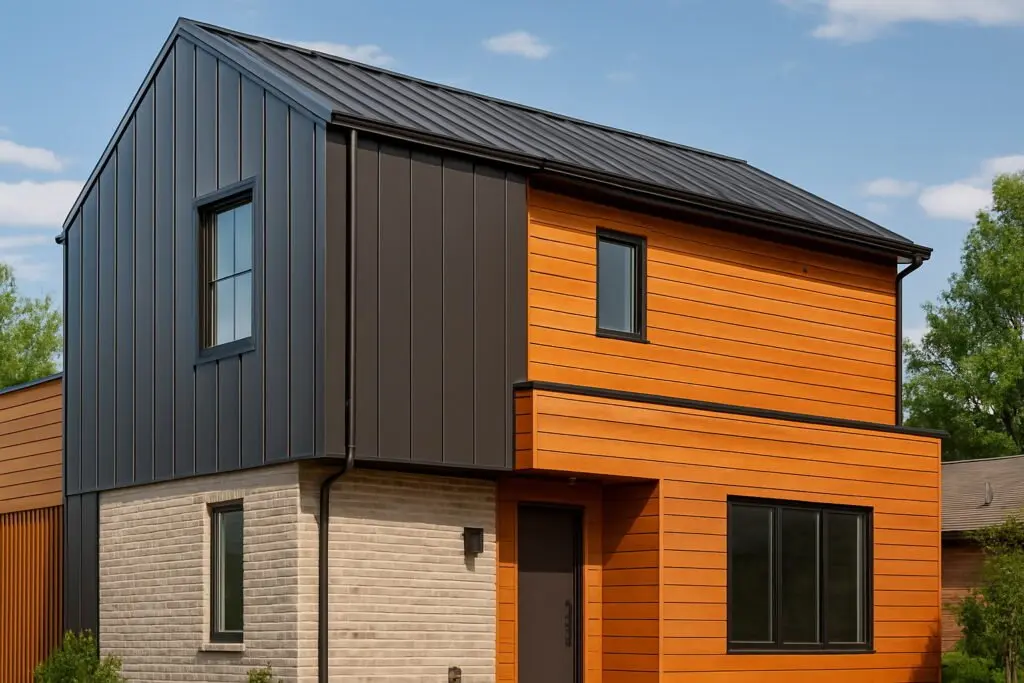
According to the National Association of Home Builders (NAHB) 2026 Construction Outlook, aluminum siding accounts for 18 % of all exterior cladding installations in the United States, a share that has remained steady despite the rise of vinyl and fiber‑cement alternatives. The material’s popularity stems from three core advantages:
- Weather‑resistance: Modern alloys resist corrosion, salt‑air damage, and UV degradation, making them ideal for coastal and high‑sun regions.
- Energy efficiency: Integrated insulated backings can lower heating and cooling loads by up to 10 % when combined with proper sealing, as highlighted in a 2025 study by the Department of Energy.
- Longevity and recyclability: With a life expectancy of 30‑50 years and a 90 % recycling rate, aluminum satisfies both durability demands and sustainability goals.
Choosing the Right Aluminum Siding System
Not all aluminum siding is created equal. In 2026, manufacturers offer three primary formats:
Table of Contents
- Why Aluminum Siding Still Leads the Exterior Cladding Market in 2026
- Choosing the Right Aluminum Siding System
- 1. Traditional Lap Siding
- 2. Vertical Panel Siding
- 3. Insulated Aluminum Siding
- Cost Breakdown: What to Expect in 2026
- Installation: Best Practices for a Flawless Finish
- Environmental Impact and Sustainability
- Common Pitfalls and How to Avoid Them
- Real‑World Case Study: Mid‑Century Modern Renovation
- Future Trends Shaping Aluminum Siding
- Advanced Coatings
- Smart Integration
- Hybrid Systems
- Frequently Asked Questions
- Is aluminum siding suitable for coastal areas?
- How does aluminum siding compare to vinyl in terms of cost?
- Can I paint aluminum siding?
- What warranty coverage is standard?
- Bottom Line: Is Aluminum Siding Right for You?
1. Traditional Lap Siding
Classic overlapping panels that mimic wood grain. This style is favored for historic restorations because it blends seamlessly with period aesthetics while providing modern protection.
2. Vertical Panel Siding
Vertical boards create a sleek, contemporary look and are often paired with large windows to accentuate modern architecture. The vertical orientation can also reduce wind uplift pressure, an advantage in hurricane‑prone zones.
3. Insulated Aluminum Siding
Built with a foam core, insulated panels deliver the best thermal performance among metal options. They are especially valuable in colder climates where heating bills are a concern.
When deciding which system suits your project, consider climate, architectural style, and budget. For a comprehensive look at material choices and cost breakdowns, see our Home Siding Guide 2026.
Cost Breakdown: What to Expect in 2026
Pricing for aluminum siding has stabilized after a brief surge in 2023 due to raw‑material shortages. The Construction Market Survey 2026 reports the following average costs (installed):
- Basic lap siding: $4.20 – $5.80 per square foot
- Insulated panels: $6.50 – $9.00 per square foot
- Premium finishes (e.g., wood‑grain embossing, custom colors): $7.00 – $11.00 per square foot
These figures include labor, fasteners, and standard trim. Additional expenses—such as removal of existing siding, structural repairs, or custom color matching—can add $1–$2 per square foot.
Installation: Best Practices for a Flawless Finish
Even the best aluminum product will underperform if installed incorrectly. Below are the key steps that professional installers follow:
- Surface preparation: Remove old siding, repair any damaged sheathing, and install a weather‑resistant barrier (WRB) such as housewrap.
- Flashing and trim placement: Proper flashing around windows, doors, and rooflines prevents water intrusion, a common source of interior damage.
- Panel alignment: Use a level and spacers to maintain a consistent gap (typically 1/8‑inch) for expansion and contraction.
- Fastening: Stainless‑steel or coated nails are recommended to avoid corrosion. Follow the manufacturer’s spacing guidelines—usually every 12‑16 inches.
- Sealing: Apply a high‑quality silicone or polyurethane sealant at seams and around fixtures to enhance the siding’s weather‑resistant properties.
For a step‑by‑step visual guide, refer to the installation section of our Vinyl Siding 2026 Guide, which shares many overlapping techniques relevant to metal cladding.
Environmental Impact and Sustainability
Aluminum siding aligns with the growing demand for greener building materials. The International Aluminum Institute reports that producing recycled aluminum consumes 95 % less energy than primary production. Moreover, the material’s reflective surface helps reduce cooling loads in hot climates, contributing to lower carbon emissions.
Homeowners seeking LEED certification can earn points for using recycled content and for the siding’s contribution to thermal performance. The 2025 US Green Building Council update adds a specific credit for metal cladding with a minimum of 30 % post‑consumer recycled content.
Common Pitfalls and How to Avoid Them
Even experienced DIYers can fall into traps that compromise the siding’s lifespan:
- Improper expansion gaps: Aluminum expands and contracts with temperature changes. Too‑tight installation can cause buckling or warping.
- Skipping the WRB: A missing weather‑resistant barrier invites moisture behind the panels, leading to rot or mold.
- Using the wrong fasteners: Galvanized nails may corrode over time, especially in salty environments; always opt for stainless steel.
- Neglecting trim maintenance: Trim pieces are often the first to show wear. Replace or reseal them regularly to maintain the overall watertight envelope.
Real‑World Case Study: Mid‑Century Modern Renovation
In March 2026, a homeowner in Santa Barbara replaced outdated wood clapboard with insulated aluminum siding on a 1950s mid‑century modern home. The project, completed in six weeks, achieved:
- A 12 % reduction in annual HVAC energy usage, verified by a DOE energy audit.
- Zero maintenance calls for the first 24 months, thanks to the material’s corrosion‑resistant coating.
- A resale value increase of approximately 5 %, as reported by a local real‑estate market analysis (Santa Barbara Association of Realtors, 2026).
This example underscores aluminum’s blend of aesthetic flexibility, performance, and financial upside.
Future Trends Shaping Aluminum Siding
Looking ahead, three innovations are set to redefine the market:
Advanced Coatings
Nanotech‑enhanced finishes now provide self‑cleaning properties and increased UV resistance, extending the material’s visual appeal beyond 30 years.
Smart Integration
Embedded sensors can monitor temperature differentials and moisture levels within the wall assembly, sending alerts to homeowners via smartphone apps. Early adopters report a 7 % improvement in energy management.
Hybrid Systems
Manufacturers are pairing aluminum panels with thin layers of fiber‑cement to combine metal’s strength with the acoustic damping of cement boards, creating a quieter interior environment.
Frequently Asked Questions
Is aluminum siding suitable for coastal areas?
Yes. Modern marine‑grade aluminum alloys contain higher percentages of zinc and magnesium, offering superior resistance to salt spray and corrosion.
How does aluminum siding compare to vinyl in terms of cost?
Base‑grade vinyl typically starts at $2.50‑$4.00 per square foot, making it cheaper than basic aluminum. However, when you factor in the longer lifespan and lower maintenance of aluminum, the total cost of ownership often levels out or becomes more favorable.
Can I paint aluminum siding?
While most aluminum siding comes pre‑finished, it can be repainted using a high‑adhesion, elastomeric coating. Proper surface preparation—including cleaning, etching, and priming—is essential for lasting results.
What warranty coverage is standard?
Leading manufacturers offer 20‑year limited warranties covering fading, peeling, and corrosion. Some premium lines extend coverage to 30 years.
Bottom Line: Is Aluminum Siding Right for You?
If you value a combination of durability, energy efficiency, and environmental responsibility, aluminum siding remains one of the most compelling exterior cladding options in 2026. Its performance in extreme weather, low upkeep requirements, and evolving smart‑home integrations make it a forward‑looking investment for homeowners who plan to stay put for the long term.
Ready to explore your options further? Check out our Stone Veneer Siding guide for a comparison of alternative materials, or contact a certified installer to discuss a custom aluminum solution for your property.